The women brought the abuses to light. The new reports raise the question of the Danish government’s responsibility under human rights law. Naleraq demands that, if Denmark does not assume responsibility, the case must be tried independently.
The IUD case begins with the women and girls who were subjected to involuntary contraception without their knowledge or free and informed consent.
It was an assault on their bodies, their family lives, and their futures.
Some have carried pain, shame, and unanswered questions with them for most of their lives. These women did not owe their stories to society. It is society that owes it to them to listen.
It was their courage that broke the silence. The historical investigation, the official apologies, and the compensation program acknowledge the grave injustice they suffered.
The women’s accounts have brought these abuses to light. Now, both the abuses against individual women and the overall pattern must be investigated.
Therefore, these abuses must not be reduced to isolated, individual cases between a doctor and a patient. Since many Inuit women and girls were subjected to similar abuses—especially while the health care system was under the responsibility of the Danish government—both the overall pattern and the Danish government’s responsibility must be investigated.
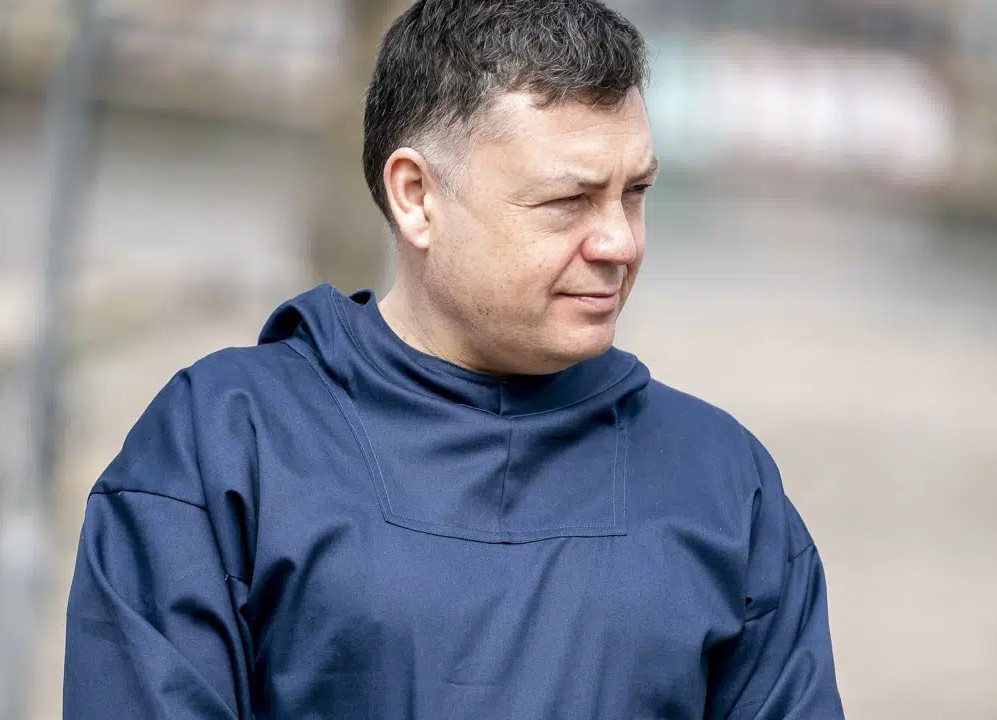
“We do not diminish women by also considering the communities to which they belong. Respect for the individual must not be used to obscure the overall pattern or the Danish state’s responsibility,” says Naleraq’s chairperson, Pele Broberg.
First Report on Human Rights Violations
The expert group was established to prepare a comprehensive human rights report. During the course of the work, disagreements arose among the participants, which unfortunately resulted in only the expert group’s report being deemed to have been prepared in accordance with professional standards.
You can read the expert group’s technical report and the other publication. However, their status, purpose, and level of technical detail are not the same.
Rashida Manjoo’s peer review concludes that the expert group’s report addresses the seven questions in the terms of reference. The separate publication may be valuable for other purposes, but it does not address the human rights mandate and does not meet professional standards.
No political verdict or acquittal
However, regardless of its content, the report is not a judgment. The expert group’s report cannot pass judgment on Denmark.
Naleraq maintains that neither a politically motivated conviction nor a politically motivated acquittal is beneficial.
A binding ruling on Denmark’s state responsibility under the Genocide Convention must be issued by the United Nations International Court of Justice (ICJ). Naleraq will respect any ruling by the ICJ—regardless of the outcome.
Unless Denmark itself acknowledges that the convention was violated, a review requires that another state bring the matter before the court. Kalaallit Nunaat cannot do so on its own because we are not yet a state.
“The Naalakkersuisut has spent more than nine million kroner on travel and international relations. Now we’ll have to see if those relationships have also created friends who are willing to help ensure that the case is heard,” says Pele Broberg.