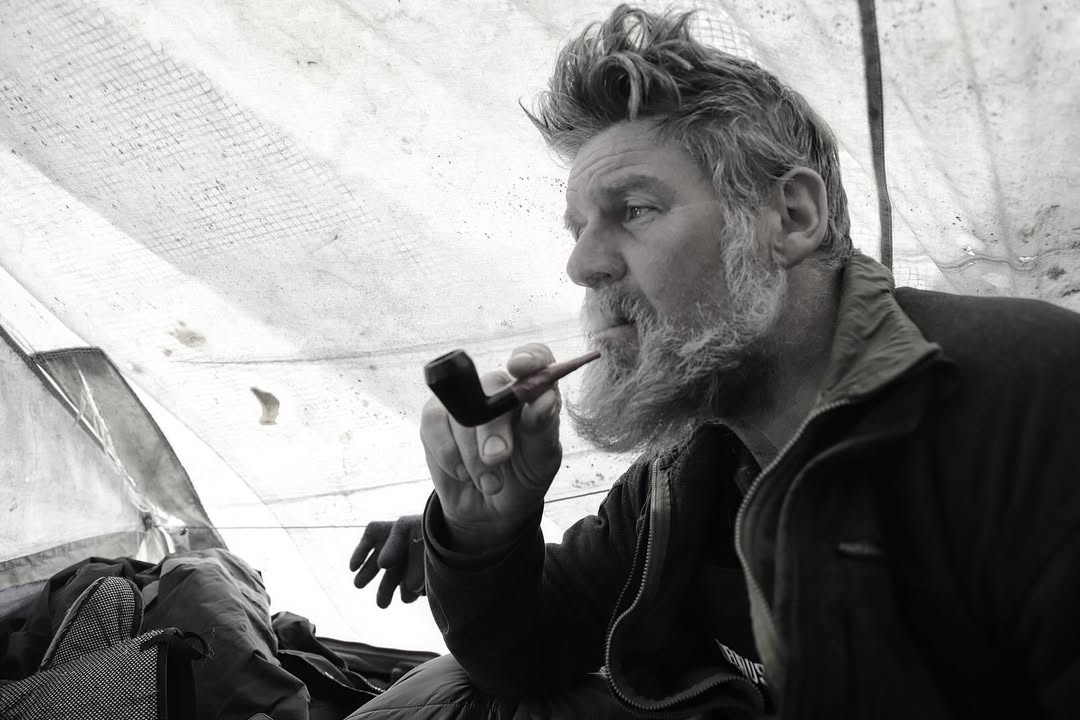
Mike Keen, who became famous for kayaking up Greenland’s west coast on a diet of purely Greenlandic food, is now working to open a community-run restaurant in Ilulissat —featuring a Greenlandic head chef, apprentices from INUILI, and narwhal Wellington on the menu.
The idea came to him while he was kayaking. The English chef and adventurer had hours to think as he made his way north along the west coast, and one thing kept nagging at him.
“As a tourist in Greenland, you hardly ever get to try Greenlandic food. At the hotel, you get the Greenlandic platter with mattak, a little dried fish, and shrimp—and that’s pretty much it. The rest is noodles, pizza, and burgers, which you can get anywhere in Europe,” he says in an interview.
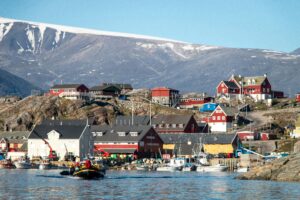
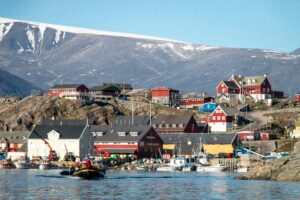
He wants to change that. Mike Keen works at a restaurant in Ilulissat—chosen because the town has the country’s highest concentration of tourists—where guests take off their shoes, just as they would in a Greenlandic home, sit together, and share a variety of small dishes, tapas-style.
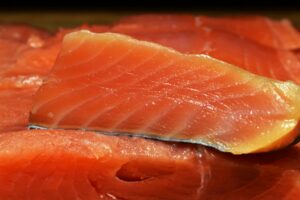
The menu should demonstrate that Greenlandic ingredients can be used to prepare classic European dishes: narwhal Wellington instead of beef tenderloin, slow-roasted musk ox where the meat falls off the bone, South Greenlandic beets with seaweed salt, halibut with a goat’s milk relish—and Greenlandic sausages made from seal, narwhal, musk ox, and reindeer.
“All countries in Europe are proud of their sausage traditions. “With the fat content of seal and narwhal, we can develop a classic Greenlandic sausage that could become a famous dish,” he says, adding that traditional dishes such as seal soup and mattak should, of course, also be available.”
The profits should stay in the city
Keen makes no secret of the fact that the project isn’t meant to make anyone rich—least of all himself.
“I’ve always been terrible at making money, and I have no interest in profiting from this. The profits should go back to the local community and to the hunters and fishermen, so they get a fair price for their goods.”
According to the plan, the restaurant will offer more than just food: a space for cruise groups, lectures, film screenings, and Greenlandic art—as well as a small shop where tourists can buy seal steak or halibut along with a recipe and instructions, a sort of meal kit to take back to their hostel.
The Englishman himself would prefer to stay in the background. “I don’t want to come here as an Englishman and tell people how to do things. There needs to be a Greenlandic head chef, a Greenlandic manager, and a 100 percent Greenlandic staff.” He is in talks with the INUILI culinary school in Narsaq about an apprenticeship program where students can also spend time in the Nordic culinary scene —Keen himself has worked at KOKS when the restaurant was located in the Faroe Islands, as well as in kitchens in New York, New Zealand, and his own pubs in England.
Seeking Sponsors
The business plan is ready, and Mike Keen is scheduled to travel to Narsaq in November. Now all that’s missing is the money.
“I need sponsors—private, public, or both. Support from companies like Royal Greenland or Polar Seafood would be fantastic,” he says, pointing out that the geopolitical attention on Greenland—not least from the U.S.—can be turned into something positive: “The exposure is there. Greenland should be showcased as one of the last places in the world we haven’t destroyed with commercialism and greed.”
Meanwhile, Keen is waiting for news about his other projects: The documentary about his latest expedition is currently being pitched to Channel 4 and the BBC, the film about the kayaking expedition will air on the BBC in November, and a book is in the works.
“Greenland is one of the few places in the world where the connection to thousands of years of hunting and fishing traditions is still alive. That story deserves to be told—even on a plate.”