Mining company Amaroq, which already operates the gold mine at Nalunaq, is working to develop another gold mine at Nanoq in Southeast Greenland. Following several years of promising exploration, the company hopes to begin mining operations within three to four years, potentially creating around 100–120 jobs.
Developments in the mineral resources sector and the prospect of new jobs are highly significant for local businesses, young people in education and settlement in South Greenland. According to an article published by Innovation South Greenland on 17 November 2026, Amaroq now has concrete plans for how the Nanoq project could be closely integrated with its existing operations at Nalunaq.
The history of gold at Nanoq dates back to the late 1990s, when exploration companies discovered gold in quartz veins near the surface. At the time, low gold prices were among the reasons why the area was not explored more extensively, and the project remained dormant for many years. Interest only returned in 2021, when Amaroq revisited the gold discoveries while reviewing old geological reports.
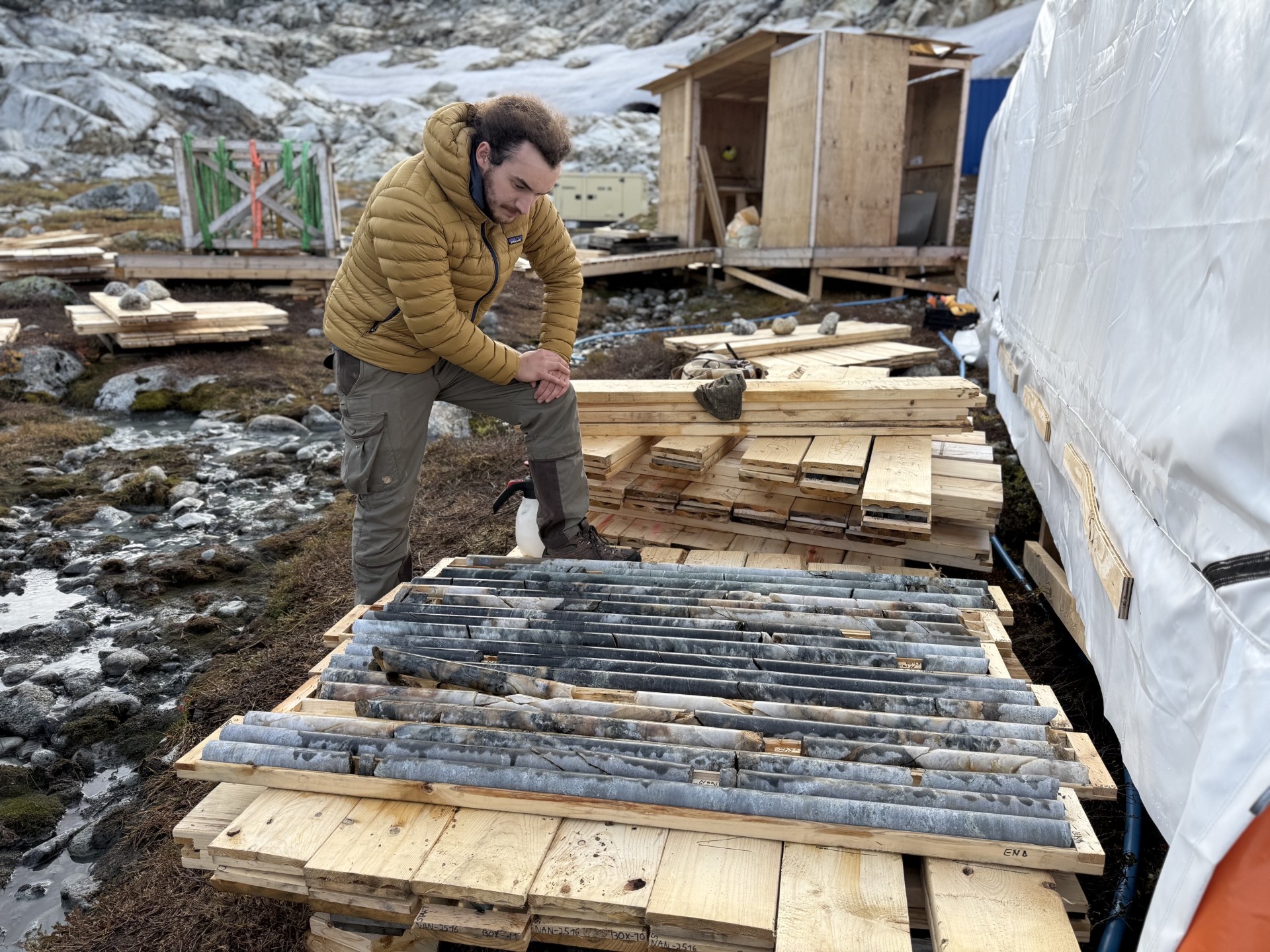
When the company’s Exploration Director, James Gilbertson, visited the area in September 2021 and saw the rock formations, he was immediately interested because they looked promising, and he wanted to begin exploration as quickly as possible. At the time, however, resources were primarily focused on developing the Nalunaq gold mine, so initial exploratory drilling at Nanoq did not take place until 2024. The results were so encouraging that Amaroq carried out larger drilling programmes of approximately 5,000 metres per year in both 2025 and 2026.
The company’s preliminary plan is to establish a smaller mine at Nanoq, where gold ore would be extracted and crushed on site before being shipped to Nalunaq in South Greenland for processing at the existing facility. By using the facilities at Nalunaq, Amaroq hopes to limit the need to construct a larger processing plant at Nanoq in the short term, while exploration continues and mineral resources are expanded.
If the project goes ahead, Amaroq expects, according to James Gilbertson, that approximately 100–120 employees could be needed at Nanoq. At the same time, increased activity could create additional jobs at Nalunaq, where the mining company already employs just under 200 people.
Although Nanoq remains at the exploration stage, activities have already generated work for Greenlandic businesses and employees. Amaroq has used Greenlandic helicopter companies, contractors and local personnel to operate the camp, which accommodates approximately 40–50 people during drilling operations, although these are not permanent year-round positions. Several employees have expressed their enjoyment of working in the remote area and their wish to return next year.
Amaroq also wants to open more doors for young Greenlanders interested in geology, mining, surveying and other technical professions. To strengthen local involvement, Innovation South Greenland also holds monthly meetings with Amaroq about the company’s activities and opportunities for local businesses.