If Greenland is to move closer to its vision of becoming the world’s most physically active country, it will take more than just good intentions. A clear direction is needed for the development of sports facilities throughout the country.
A new report from the Danish Institute for Sports Studies (Idan) and the Center for Research in Sports, Health, and Civil Society (CISC) at the University of Southern Denmark indicates that one of the most obvious and concrete measures is for each municipality to develop a comprehensive strategy for its sports facilities.
Today, none of our municipalities has an overall facilities strategy, even though the municipalities invest significant funds in sports every year.
“We share a common goal: to get more children, youth, adults, and seniors to be physically active. If we are to succeed in this, we must ensure that our facilities support the actual needs and physical activity habits of the population. That is why municipal facility strategies are the perfect tool for setting a direction and providing a better foundation for future investments,” says Jonas Jensen, Secretary General of the Greenland Sports Federation.
First comprehensive overview of the facilities
The report was prepared for the Greenland Sports Federation and is based on a survey of sports facilities in all of the country’s municipalities. The study combines information on facilities, usage patterns, operation, and maintenance with data on the population, the economy, and the sports and physical activity habits of Greenlanders.
The result is the most comprehensive overview of Greenland’s sports facilities in many years and a series of recommendations on how these facilities can better contribute to the goal of a more physically active Greenland.
According to the report, in many places there is a lack of a clear connection between investments, needs, and the actual use of the facilities. For this very reason, the researchers recommend that municipalities take a more strategic approach to this area.
“A facilities strategy can help establish common goals, improve prioritization, and foster stronger collaboration between policymakers, government agencies, and sports organizations. Experience shows that municipalities with a clear strategy make better use of their facilities and have a stronger foundation for investments,” says Peter Forsberg, chief analyst at Idan and project manager for the study.
Nature should be considered a sports facility
The report also points out that future facility development must be based on the way we actually engage in physical activity.
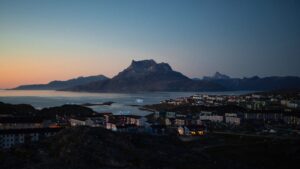
New studies of the population’s physical activity habits show that a large portion of physical activity takes place outside of traditional sports facilities. Walking, running, hunting, sailing, and dog sledding are among the activities that many children, young people, and adults engage in outdoors.
Therefore, the report recommends that municipalities give greater consideration to integrating sports facilities with outdoor recreation and local natural resources.
This can be achieved, among other things, through improved access to trails, routes, and recreational areas, as well as the installation of amenities such as lighting, shelters, water fountains, restrooms, and seating areas.
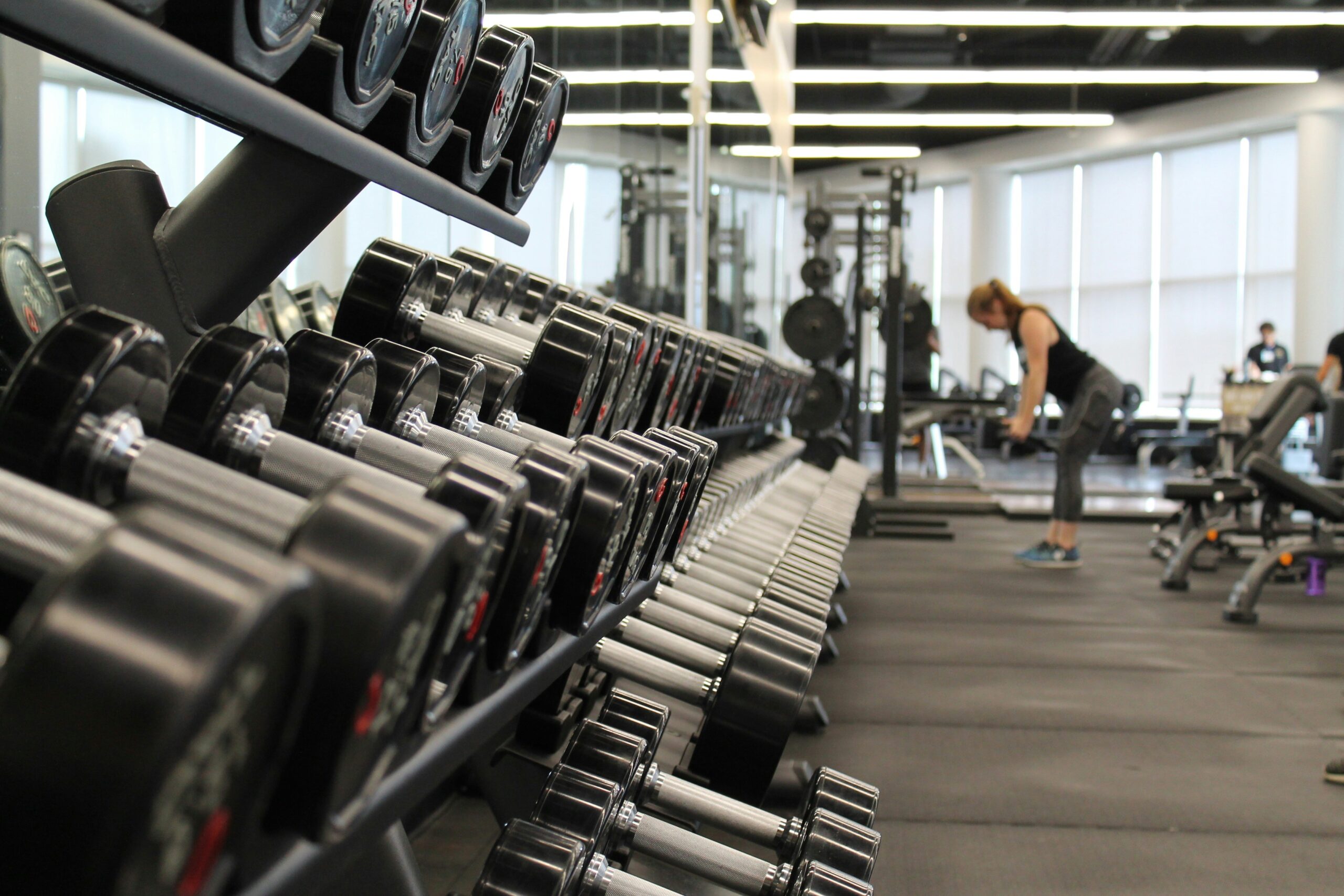
“When we talk about sports facilities in Greenland, we shouldn’t just think of indoor arenas. Nature is already one of our most important arenas for physical activity. That’s why the facilities of the future must support both organized sports and the many activities that take place outdoors,” says Jonas Jensen.
Facilities for all of Greenland
The report also emphasizes the need for solutions tailored to Greenland’s diverse local conditions.
While larger cities may need new and more flexible sports facilities, smaller communities may need smaller and more accessible facilities that make it easy to stay active in everyday life.
For the Greenland Sports Federation, the recommendations are primarily about creating better opportunities for physical activity throughout the country.
“We know that physical activity improves health, strengthens communities, and enhances quality of life. That is why the development of facilities should not be just about buildings, but about people. If more people are to be physically active, the environment must make it easier to choose to be active. Municipal facility strategies are an important first step in this regard,” says Jonas Jensen.